Handling challenging fluids in modern industrial processes requires more than simple liquid transfer. Fluids with high viscosity, strong chemical activity, or strict contamination control requirements often demand pumping technologies that can deliver accuracy, stability, and reliable protection at the same time. Traditional pumping solutions may experience limitations when dealing with aggressive chemicals, sensitive formulations, or precise dosing requirements.
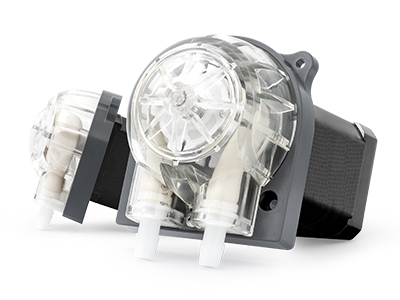
A stepper motor peristaltic pump provides an effective approach for these demanding applications by combining precise motor control with a contact-free fluid transfer structure. By controlling the rotation of the pump head through step-by-step movement, this type of pump can achieve stable flow rates, repeatable dosing, and improved fluid protection. These advantages make the stepper peristaltic pump suitable for industries including printing, pharmaceutical production, food processing, and chemical manufacturing.
As a provider of precision fluid handling technologies, Lefoo focuses on developing reliable pumping solutions that support industrial applications requiring accurate and clean fluid delivery. Its peristaltic pump technologies are designed to help users improve process consistency while reducing maintenance challenges caused by complex fluid properties.
Overcoming the Difficulties of Pumping Viscous and Corrosive Fluids in Industrial Processes
Viscous and corrosive fluids often create significant challenges for industrial pumping systems. When fluid viscosity increases, the resistance inside the flow path also increases, making it more difficult for conventional pumps to maintain stable delivery. Materials such as printing inks, adhesives, coatings, chemical solutions, and pharmaceutical liquids may require careful handling because small variations in flow can affect the final production results.
Corrosive fluids introduce additional concerns because direct contact between the liquid and internal pump components may lead to material degradation, contamination risks, and shortened equipment lifespan. In applications involving chemically aggressive media, selecting a suitable pumping technology is essential for maintaining both equipment reliability and product quality.
A stepper peristaltic pump solves many of these challenges through its unique operating principle. Instead of allowing the fluid to contact internal mechanical components, the pump transfers liquid by compressing flexible tubing. This isolated fluid path reduces the possibility of contamination and minimizes compatibility issues caused by corrosive substances.
| Fluid Handling Challenge | Common Problems | Advantages of Stepper Peristaltic Pumps |
|---|
| High viscosity fluids | Unstable flow and increased pumping resistance | Controlled operation with accurate speed adjustment |
| Corrosive liquids | Potential damage to internal components | Fluid only contacts compatible tubing materials |
| Sensitive formulations | Risk of contamination during transfer | Clean and separated fluid pathway |
| Precision dosing processes | Difficulty maintaining consistent output | Repeatable flow control through stepper motor technology |
Because of these advantages, a stepper motor peristaltic pump has become a practical choice for industries where accurate fluid management and long-term reliability are critical.
How Stepper Peristaltic Pumps Deliver Precise and Stable Fluid Control
Precision control is one of the most important benefits of a stepper motor peristaltic pump. Unlike traditional motors that mainly rely on continuous rotation, stepper motors divide movement into controlled steps, allowing the pump system to adjust speed and flow output with greater accuracy.
This precise control is especially valuable in automated production environments. Printing systems, laboratory equipment, and chemical processing lines often require consistent fluid delivery over long operating periods. Even small fluctuations in liquid volume may influence coating uniformity, formulation accuracy, or production efficiency.
A stepper peristaltic pump allows users to fine-tune pumping performance according to application requirements. Through programmable motor control, the pump can achieve repeatable dispensing results and maintain stable operation under different working conditions.
The combination of stepper motor technology and peristaltic pumping principles also makes integration with automated systems easier. Users can adjust operating parameters according to production needs, supporting more flexible and intelligent fluid management processes.
Different applications may require different pump structures, flow ranges, and tubing materials. Understanding available options helps engineers select a solution that matches their specific requirements. Lefoo provides a range of peristaltic pump solutions designed for various precision fluid transfer applications.
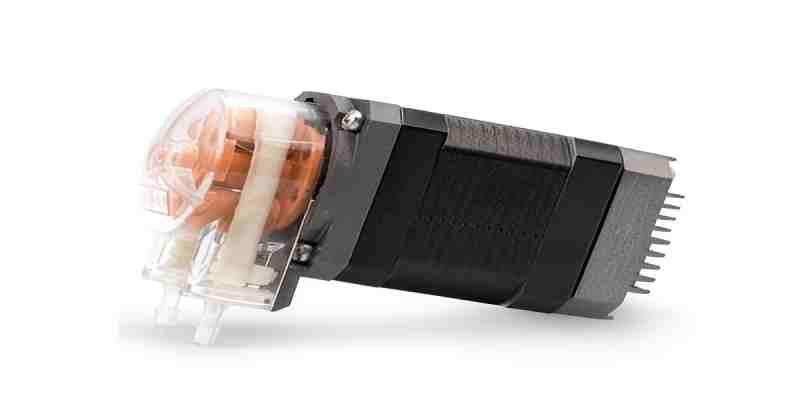
Protecting Fluid Integrity with Contact-Free Pumping Technology
One of the defining advantages of peristaltic pumping technology is its contact-free fluid handling design. Instead of using internal impellers, seals, or valves that directly interact with the liquid, the pump moves fluid through controlled compression of flexible tubing.
This structure helps maintain fluid integrity because the transported material only contacts the selected tubing material. The reduced contact area between the liquid and mechanical components lowers contamination risks and improves compatibility when handling sensitive or corrosive fluids.
For pharmaceutical and food processing applications, maintaining product purity is a key consideration. A clean fluid pathway helps reduce the possibility of external contamination during transfer. In chemical applications, the isolated design helps protect pump components from aggressive media.
A stepper motor peristaltic pump combines this contact-free transfer method with accurate motor control, providing a balanced solution for applications that require both precision and protection.
Selecting the Right Tubing Materials for Chemical Resistance and Fluid Compatibility
Although the pump mechanism does not directly contact the transported fluid, tubing selection remains one of the most important factors affecting system performance. The tubing determines chemical compatibility, durability, temperature resistance, and operational reliability.
Different industries require different tubing characteristics. Chemical processing applications may prioritize resistance against aggressive solvents, while pharmaceutical and food applications may focus more on cleanliness, stability, and material safety.
| Tubing Selection Factor | Performance Requirement | Application Consideration |
|---|
| Chemical compatibility | Resistance to fluid interaction | Important for chemical and laboratory processes |
| Mechanical durability | Ability to withstand repeated compression | Required for continuous operation |
| Temperature resistance | Stable performance under working temperatures | Suitable for demanding industrial environments |
| Fluid cleanliness | Reduced contamination risk | Important for pharmaceutical and food applications |
When selecting tubing for a stepper peristaltic pump, engineers should consider fluid composition, operating temperature, required flow accuracy, and expected service conditions. Proper tubing selection ensures better performance and helps extend the service life of the complete pumping system.
Where Stepper Motor Peristaltic Pumps Create Value Across Printing, Pharmaceutical, Food, and Chemical Industries
The flexibility and precision of a stepper motor peristaltic pump allow it to support a wide range of industries where accurate fluid transfer, contamination control, and stable operation are essential. By combining reliable pumping performance with precise motor control, these pumps help manufacturers improve process consistency and reduce operational risks.
In the printing industry, fluid delivery accuracy directly influences printing quality. Ink, coating materials, and other liquid media often require stable supply rates to maintain uniform application. A stepper peristaltic pump can provide consistent flow control, helping printing equipment achieve better repeatability and reduce material waste caused by unstable fluid delivery.
In pharmaceutical manufacturing, precision and cleanliness are critical requirements. Production processes involving reagents, formulations, and laboratory fluids require pumping systems that minimize contamination risks while maintaining accurate dosing. The isolated fluid path of a peristaltic pump makes it suitable for applications where fluid integrity is a priority.
Food processing applications also benefit from contact-free pumping technology. Many food-related liquids have unique viscosity characteristics and require hygienic transfer methods. By selecting suitable tubing materials, a stepper motor peristaltic pump can support reliable movement of different food processing fluids while helping maintain product quality.
Chemical industries often handle aggressive liquids that may damage conventional pumping components. The tubing-based fluid pathway of a stepper peristaltic pump provides an effective way to manage corrosive or reactive materials while reducing the risk of equipment degradation.
Across these industries, Lefoo continues to develop fluid handling technologies that address the practical challenges of modern production environments, helping users achieve more accurate, efficient, and stable pumping performance.
Key Factors for Integrating a Stepper Motor Peristaltic Pump into Precision Fluid Handling Systems
Integrating a stepper motor peristaltic pump into an industrial system requires careful evaluation of application conditions. Selecting the right pump configuration not only improves fluid control accuracy but also helps achieve longer operating life and more reliable performance.
The first consideration is the required flow performance. Engineers need to evaluate factors such as flow rate, dosing accuracy, operating pressure, and working cycle to ensure the selected pump can meet process requirements. A pump that matches the application conditions can maintain more stable operation and avoid unnecessary energy consumption.
Fluid characteristics should also be carefully analyzed before installation. Viscosity, chemical composition, temperature, and the presence of particles may influence tubing selection and pump performance. Choosing compatible materials ensures that the pumping system can operate reliably under actual working conditions.
Control system compatibility is another important factor. Since a stepper peristaltic pump depends on accurate motor positioning, it should integrate smoothly with existing automation systems, controllers, and production equipment. Proper communication between the pump and control system allows users to adjust operating parameters more efficiently.
The installation environment should also be considered, including available space, maintenance accessibility, and expected operating frequency. A complete fluid handling solution requires coordination between the pump, tubing, control components, and the overall production process.
Since fluid properties and operating conditions can vary significantly between applications, proper pump selection is essential for achieving stable performance. If you need further advice on choosing the right pumping solution, you can discuss your requirements with Lefoo’s technical team through the fluid handling support channel.
Conclusion
Managing viscous and corrosive fluids requires pumping technology that can deliver accuracy, reliability, and protection at the same time. A stepper peristaltic pump provides an effective solution by combining precise motor control with a contact-free fluid transfer structure.
Through accurate flow adjustment, reduced contamination risks, and flexible tubing compatibility, a stepper motor peristaltic pump can support demanding applications across printing, pharmaceutical, food, and chemical industries. Its ability to maintain stable performance while handling challenging fluids makes it a valuable choice for modern precision fluid handling systems.
With continuous focus on fluid control technology and industrial application requirements, Lefoo helps businesses improve production efficiency and achieve more reliable fluid management solutions.
FAQ
1. What is a stepper motor peristaltic pump?
A stepper motor peristaltic pump is a pump that uses a stepper motor to precisely control the rotation of a peristaltic pump head, enabling accurate and stable fluid transfer.
2. Why can stepper peristaltic pumps handle corrosive fluids?
A stepper peristaltic pump isolates the fluid from the internal mechanical components, allowing only compatible tubing materials to contact the liquid and reducing corrosion risks.
3. Are stepper peristaltic pumps suitable for high viscosity fluids?
Yes. Their controlled compression mechanism allows them to transfer many high viscosity fluids, including coatings, adhesives, and other thick liquids.
4. How does tubing selection affect pump performance?
Tubing affects chemical resistance, durability, temperature tolerance, and overall reliability, so selecting the correct tubing material is essential for stable operation.
5. Which industries commonly use stepper motor peristaltic pumps?
They are widely used in printing, pharmaceutical production, food processing, chemical manufacturing, laboratory systems, and automated fluid handling equipment.
6. What is the main advantage of a stepper peristaltic pump?
Its main advantage is the combination of precise flow control and a clean fluid pathway, making it suitable for applications requiring accuracy and fluid protection.
 English
  français
  Deutsch
  Español
  italiano
  русский
  português
  العربية
  Türkçe
  Zulu
Zulu